VA Energy Efficient Mortgage: How to Add Up to $6,000 in Upgrades to Your Loan
Short answer: A VA energy efficient mortgage (EEM) lets you add the cost of energy upgrades, like insulation, a heat pump, or solar heating and cooling, to your VA loan. Federal law allows up to $3,000 of improvements, or up to $6,000 if the increase in your monthly payment is no more than what you are expected to save on utilities. It is not a separate loan. It has to close at the same time as your VA purchase loan or VA streamline refinance (IRRRL).
Jennifer Rodriguez is a Realtor® and Military Relocation Professional (MRP®) in Northwest Las Vegas helping military families buy with a VA loan.
Most VA buyers never hear about this option, and plenty of lenders rarely use it. If you are buying a home in a desert climate where cooling runs for months, it is worth knowing before you sign anything.
What is a VA energy efficient mortgage?
An EEM is a way to finance energy efficiency improvements as part of your VA loan. Instead of paying cash for upgrades after you move in, the cost goes into the loan and you pay it back over time with your mortgage.
VA's Buyer's Guide is clear on one point that trips people up. An EEM is not its own VA loan product. It can only be used together with a VA purchase loan or an interest rate reduction refinance loan (IRRRL) on the home, and it must close at the same time as that loan.
How much can you add with a VA energy efficient mortgage?
The limits come from federal law, 38 U.S.C. 3710(d):
- Up to $3,000: You can finance the cost of energy efficiency improvements up to $3,000.
- Up to $6,000: You can go as high as $6,000, but only if the increase in your monthly principal and interest payment does not exceed the likely drop in your monthly utility costs.
That second rule is the important one. Above $3,000, the upgrades have to pay for themselves on paper. This is where a home energy audit helps, because it gives your lender an estimate of the savings.
Two more details from the law and VA's guide:
- The improvement amount does not use up extra entitlement. The law says your entitlement is calculated as usual and is not reduced by the portion of the guaranty tied to the improvements.
- Your loan amount goes up, so your funding fee can go up too, unless you are exempt. VA's guide tells buyers to work out the cost of improvements, the monthly payment increase, and any funding fee increase with the lender early.
What improvements qualify?
VA's Buyer's Guide lists these examples, and notes the list is not complete:
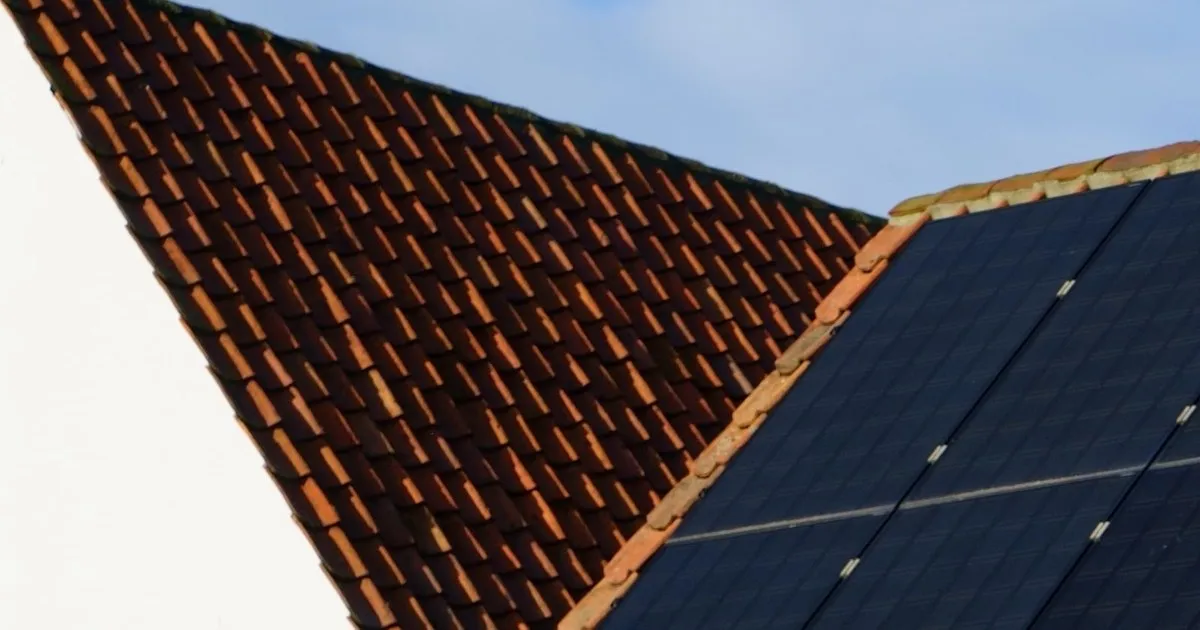
- Solar heating and cooling systems
- Caulking and weather stripping
- Furnace efficiency modifications
- Clock thermostats
- New or additional insulation
- Storm windows and doors
- Heat pumps
- Other energy related improvements may also be considered
The federal law also names water heater insulation among the qualifying measures. In a hot climate like Las Vegas, insulation, sealing, and cooling efficiency are the kinds of upgrades many buyers look at first. Ask your lender which items they will approve before you get bids.
How does the process work?
- Tell your lender early. Ask up front whether they offer EEMs. VA's guide notes that some lenders may not have experience with them. A lender can review Chapter 7 of the VA Lenders Handbook or contact a VA Regional Loan Center for help.
- Get a home energy audit. VA's guide suggests a qualified person or firm do an audit to identify recommended improvements. In some areas, the utility company may perform this service.
- Get bids for the work. Your lender needs real costs to size the EEM.
- Close the EEM with your VA loan. It has to close at the same time. You cannot add it later.
- Finish the work. VA's guide says improvements generally must be complete before closing or within six months after. If the work happens after closing, your lender sets up an escrow to pay for it.
Can you change your mind after closing?
Yes. VA's Buyer's Guide says you are not required to make the improvements. Even after closing, you can contact your lender to cancel the EEM if you decide the improvements do not fit your personal, financial, or housing needs.
Is a VA energy efficient mortgage worth it?
There is no one-size-fits-all answer. Here is how to think about it:
- It can make sense if the home needs real efficiency work, you do not want to drain your cash after moving, and the audit shows meaningful savings.
- It may not be worth it if the upgrade is small enough to pay cash for, if it slows down a tight closing timeline, or if your lender has never done one.
For a PCS family on a short house-hunting trip, timing matters. Bring it up with your lender at pre-approval, not in the last week before closing.
Common mistakes with VA energy efficient mortgages
- Waiting until after closing. An EEM must close with the VA loan. Once you close, the window is gone for that loan.
- Assuming every lender offers it. Ask directly, and early.
- Skipping the audit on a larger project. Going above $3,000 depends on showing the payment increase is no more than the expected utility savings.
- Forgetting the funding fee. A bigger loan can mean a bigger funding fee if you are not exempt.
- Confusing it with a repair loan. An EEM is for energy improvements. VA has separate rules for other repairs and alterations.
More on VA loans
- What is the VA funding fee in 2026, and who is exempt?
- VA IRRRL requirements: what a VA streamline refinance is and who qualifies
- VA loan appraisal requirements
Frequently asked questions
How much can I borrow for energy improvements on a VA loan?
Up to $3,000, or up to $6,000 if the increase in your monthly principal and interest payment does not exceed the expected drop in your monthly utility costs. These limits come from 38 U.S.C. 3710(d).
Is a VA energy efficient mortgage a separate loan?
No. VA says an EEM can only be used with a VA purchase loan or an IRRRL, and it must close at the same time as that loan.
What upgrades qualify for a VA EEM?
VA lists solar heating and cooling, caulking and weather stripping, furnace efficiency changes, clock thermostats, insulation, storm windows and doors, and heat pumps. Other energy related improvements may also be considered.
When do the improvements have to be finished?
VA's Buyer's Guide says generally before closing or within six months after. Your lender holds the money in escrow for work done after closing.
Does an EEM use more of my VA entitlement?
No. Federal law says your entitlement is not reduced by the part of the guaranty tied to the energy improvements.
Buying in Northwest Las Vegas and wondering whether a home's upgrades could fit in your loan? Send me the address and I will help you figure out what to ask your lender. You can find me at homesbyjrod.com.
The information in this article comes from VA's Buyer's Guide and 38 U.S.C. 3710(d), checked on October 11, 2026. Rules and lender policies can change, so confirm with your lender. This is general education, not financial or legal advice.


